



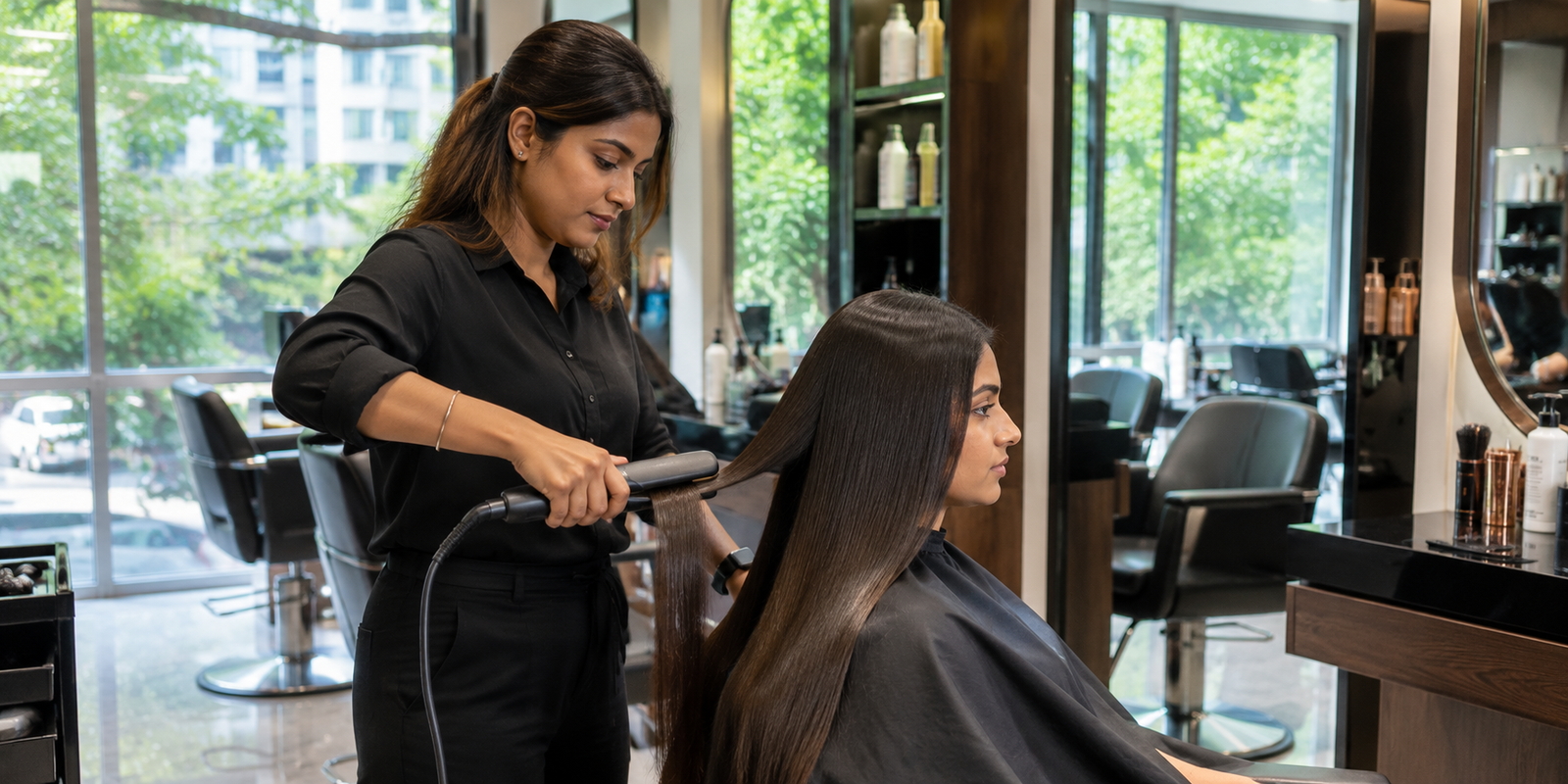
Rebonding hair is one of the most popular salon treatments for achieving silky, straight, and manageable hair. While the treatment delivers impressive results, maintaining those results depends on proper care after leaving the salon. A consistent hair care routine can help preserve smoothness, reduce breakage, and keep your hair looking naturally healthy for months. Understanding the right products, daily habits, and common mistakes will help you enjoy long-lasting results without unnecessary damage.
What Is Rebonding Hair?
Hair rebonding is a professional chemical treatment that permanently changes the natural structure of your hair. The process breaks the hair’s original bonds and rebuilds them into a straighter shape using specialized salon products and heat styling tools. As a result, curly, wavy, or frizzy hair becomes smooth, sleek, and easier to manage.
The treatment usually takes several hours because it involves cleansing, applying chemical solutions, straightening with a flat iron, neutralizing the hair, and completing the process with nourishing products. Since the hair structure is chemically altered, following proper aftercare becomes essential for maintaining healthy strands.
How Does the Treatment Work?
A hairstylist first applies a relaxing cream that softens the natural hair bonds. After washing the hair, each section is carefully straightened using professional flat irons. Finally, a neutralizer locks the hair into its new straight shape, giving long-lasting results.
The process should always be performed by trained professionals because incorrect application may lead to dryness, breakage, or uneven straightening.
Benefits of Rebonding Hair
Rebonding offers more than just straight hair. It can simplify your daily styling routine while improving the overall appearance of your hairstyle.
Some of the biggest benefits include:
- Smooth and sleek hair with reduced frizz.
- Easier daily styling and combing.
- Long-lasting straight hair with proper maintenance.
- More polished and professional appearance.
- Less time spent using straighteners every morning.
However, the treatment is only successful when supported by a healthy hair care routine. Using sulfate-free shampoos, nourishing conditioners, and regular hair masks helps maintain moisture and prevents excessive dryness.

Who Should Choose Hair Rebonding?
Hair rebonding is suitable for people with naturally curly, wavy, thick, or frizzy hair who prefer a permanently straight hairstyle. It is also a practical choice for individuals who spend significant time styling their hair every day.
Before choosing the treatment, it is important to consult an experienced hairstylist. They can evaluate your hair texture, scalp condition, previous chemical treatments, and overall hair health. Extremely damaged, over-bleached, or weak hair may require strengthening treatments before undergoing rebonding.
A professional consultation also helps determine whether rebonding is the right option or if alternatives such as keratin treatment or hair smoothening would better suit your hair type.
Daily Rebonding Hair Care Routine
A consistent routine is the key to maintaining rebonding hair and keeping it smooth for months. The first 72 hours after the treatment are especially important because the hair bonds are still settling. During this period, avoid washing your hair, tying it into a ponytail, or using clips that may leave dents.
After the initial waiting period, use a sulfate-free shampoo and a moisturizing conditioner designed for chemically treated hair. Wash your hair only two or three times a week to retain its natural moisture. In addition, apply a nourishing hair mask once a week to reduce dryness and improve shine.
Always dry your hair gently with a microfiber towel instead of rubbing it aggressively. If you use a hair dryer, select the cool or low-heat setting to minimize heat damage.
Common Mistakes to Avoid
Many people unknowingly shorten the life of their rebonding treatment by following poor hair care habits. Avoiding these mistakes can help your hair stay healthier and smoother for longer.
| Mistake | Better Alternative |
|---|---|
| Washing hair within 72 hours | Wait at least 72 hours before the first wash |
| Using harsh shampoos | Choose sulfate-free products |
| Excessive heat styling | Use low heat and heat protectant |
| Skipping conditioner | Condition after every wash |
| Ignoring regular trims | Trim every 8–10 weeks |
| Sleeping with wet hair | Dry hair completely before sleeping |
Besides these habits, protect your hair from prolonged sun exposure and chlorine water. Wearing a hat while outdoors or using a leave-in serum can provide additional protection against environmental damage.
Long-Term Maintenance Tips
Healthy-looking rebonded hair requires regular care rather than occasional treatments. Schedule touch-ups only when new hair growth becomes noticeable, which is usually every six to twelve months depending on your hair growth rate.
A balanced diet also plays an important role in hair health. Foods rich in protein, biotin, iron, zinc, and vitamins help strengthen hair from within. Drinking enough water every day supports hydration and reduces dryness.
If you frequently color your hair, discuss the timing with your hairstylist. Chemical treatments should not be performed too close together because they can weaken the hair shaft.
With the right products and consistent maintenance, rebonding hair can continue to look smooth, glossy, and easy to manage without frequent salon visits.
Conclusion
Rebonding hair is an excellent choice for people who want permanently straight, sleek, and manageable hair. However, the treatment is only the beginning. Following a proper aftercare routine, choosing gentle hair care products, avoiding excessive heat, and maintaining healthy lifestyle habits will help preserve your results for months. Investing a little time in daily care ensures your hair remains shiny, soft, and healthy long after your salon appointment.
