



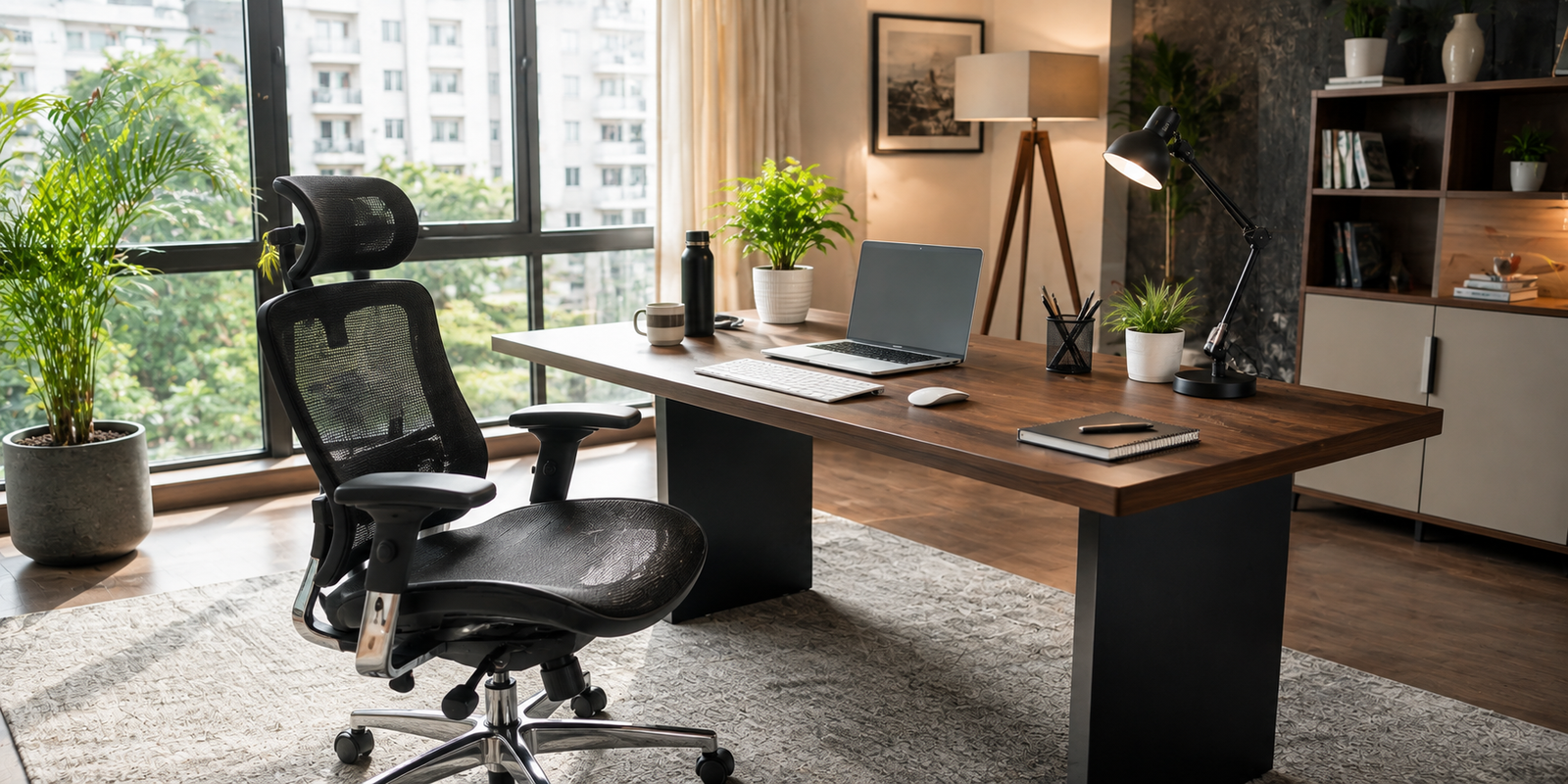
Office chair selection is one of the most important decisions for anyone who spends long hours working at a desk. Whether you work from home, manage an office, or study every day, the right chair can improve posture, reduce fatigue, and increase productivity. Many people focus only on design or price, but comfort, ergonomics, and durability are equally important. In this guide, you’ll learn how to choose the right office chair, understand its key features, and create a healthier workspace without overspending.
Why Choosing the Right Office Chair Matters
An office chair is more than just a piece of furniture. It directly affects your posture, concentration, and overall health. Sitting for several hours in an uncomfortable chair can lead to back pain, neck stiffness, shoulder tension, and reduced work efficiency.
A high-quality ergonomic chair supports your spine’s natural curve and distributes body weight evenly. As a result, you feel less tired during long work sessions and can maintain better focus throughout the day. Investing in a comfortable chair today can help prevent long-term physical discomfort tomorrow.

Essential Features of a Good Office Chair
Choosing the right chair becomes much easier when you understand the features that actually improve comfort and support. Instead of focusing only on appearance, evaluate how well the chair fits your body and daily routine.
Seat Cushion and Material
The seat cushion should provide balanced support without feeling too hard or too soft. High-density foam remains comfortable even after extended use, while breathable mesh materials improve airflow and reduce heat buildup during long working hours.
The seat should also offer enough depth and width so you can sit comfortably while keeping a small gap between the edge of the seat and the back of your knees.
Adjustable Backrest and Lumbar Support
Lumbar support is one of the most valuable ergonomic features. It maintains the natural curve of your lower back and reduces spinal pressure during prolonged sitting.
A reclining backrest allows you to change positions throughout the day, reducing muscle fatigue and improving circulation. Adjustable armrests and seat height also help create a personalized sitting position that supports your shoulders and wrists.

How to Choose the Best Office Chair
Before buying an office chair, think about how many hours you sit every day. Someone working eight to ten hours requires more ergonomic support than someone who uses a chair occasionally.
Consider adjustable seat height, lumbar support, reclining functionality, armrests, and smooth-rolling wheels. In addition, pay attention to the chair’s weight capacity and build quality to ensure long-term durability. Reading customer reviews and checking warranty coverage can also help you make a confident purchase.
Office Chair Comparison Table
| Feature | Why It Matters | Recommended Option |
|---|---|---|
| Seat Height | Maintains proper posture | Adjustable height |
| Lumbar Support | Reduces lower back strain | Adjustable lumbar support |
| Seat Material | Improves long-term comfort | Mesh or high-density foam |
| Armrests | Relieves shoulder pressure | Height-adjustable armrests |
| Reclining Mechanism | Reduces fatigue | Multi-angle recline |
| Wheels | Smooth movement | Durable caster wheels |

Common Mistakes to Avoid
Many buyers choose an office chair based only on appearance or price. While style is important, comfort and ergonomic support should always come first. A chair that looks attractive but lacks proper adjustments can cause discomfort after only a few hours of use.
Another common mistake is ignoring adjustability. Everyone has a different body shape and sitting style, so a fixed chair may not provide the right support. Look for adjustable seat height, lumbar support, armrests, and reclining options to create a personalized seating experience. It is also wise to check the chair’s maximum weight capacity and build quality before making a purchase.

Tips for Maintaining Your Office Chair
A good office chair can last for many years if you maintain it properly. Dust and dirt can collect in the wheels, while loose screws may affect stability over time. Cleaning your chair regularly and checking moving parts every few months will help keep it in excellent condition.
If your chair has a mesh backrest, wipe it gently with a soft cloth to remove dust. For fabric or leather chairs, use cleaning products recommended by the manufacturer. In addition, avoid placing excessive weight on the armrests or reclining mechanism, as this can shorten the chair’s lifespan.
Remember to sit correctly as well. Keep both feet flat on the floor, position your monitor at eye level, and take a short break every hour. Even the best ergonomic chair works most effectively when combined with healthy sitting habits.

Final Thoughts
Choosing the right office chair is an investment in your health, comfort, and daily productivity. Instead of selecting a chair based only on price or appearance, focus on ergonomic features, quality materials, adjustability, and long-term durability. A well-designed chair supports better posture, reduces physical strain, and helps you stay productive throughout the day. By following the tips in this guide and maintaining your chair regularly, you can create a comfortable workspace that supports both your professional performance and overall well-being.
