



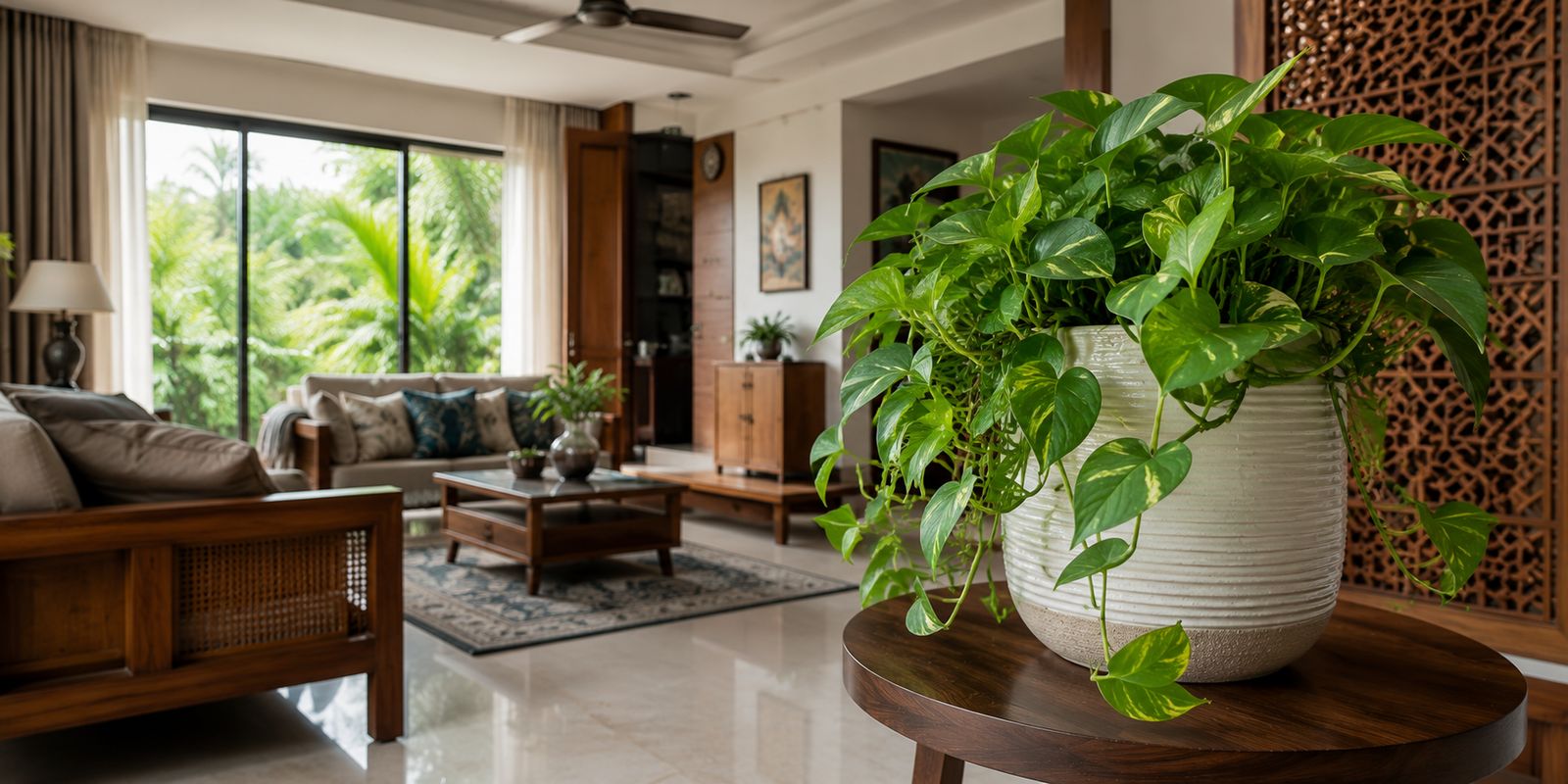
Money plant is one of the most popular indoor plants because it combines natural beauty with effortless maintenance. Whether you live in a compact apartment or a spacious house, this evergreen plant instantly adds freshness and elegance to your interiors. Its trailing vines, vibrant green leaves, and adaptability make it a favorite among homeowners who want to create a calming atmosphere without spending much time on plant care.
Besides its decorative appeal, many people believe that a money plant symbolizes prosperity, good luck, and positive energy. While these beliefs vary across cultures, there is no doubt that a healthy indoor plant can improve the overall feel of your living space. With the right placement and simple care routine, you can enjoy a greener home throughout the year.
Why Choose a Money Plant for Home Décor?
A money plant is more than just an indoor plant. It is an affordable way to make your home look lively, welcoming, and modern. Unlike many decorative plants, it grows well in both soil and water. This flexibility allows you to experiment with different decorative styles that match your home’s interior.
Another reason people love this plant is its ability to thrive in indirect sunlight. Therefore, it fits perfectly in living rooms, bedrooms, balconies, offices, and study areas. Even beginners can grow it successfully with basic watering and occasional pruning.
Many interior designers also recommend adding greenery to reduce the dull appearance of plain walls and furniture. A healthy money plant naturally softens the overall look of a room while creating a peaceful environment.
1. Grow a Money Plant in Elegant Ceramic Pots
One of the easiest ways to decorate your home is by placing a money plant in stylish ceramic pots. White, beige, black, or textured planters easily blend with modern interiors and highlight the bright green leaves. Choose pots with proper drainage holes so excess water can escape, helping prevent root rot.
You can place these planters near windows, television units, coffee tables, or entrance areas. Matching the pot color with your furniture creates a clean and balanced appearance. Moreover, decorative plant stands can elevate the planter and make the arrangement more attractive.
If you enjoy minimalist interiors, choose simple matte-finish ceramic pots. For traditional homes, handcrafted terracotta or patterned ceramic containers provide a warm and elegant touch.
2. Create a Vertical Green Wall
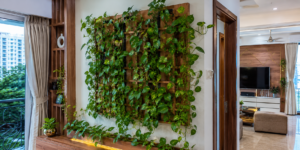
A vertical garden is one of the most creative ways to showcase a money plant indoors. Since the vines naturally climb and spread, they can easily cover wall frames, wooden trellises, or decorative mesh panels.
This idea works especially well in balconies, dining spaces, home offices, and reading corners. As the vines continue to grow, they create a refreshing green backdrop that instantly attracts attention without occupying valuable floor space.
To encourage healthy growth, guide the vines gently using soft clips or plant ties. Regular trimming also helps maintain a neat appearance while encouraging fuller foliage.
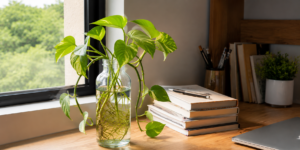
3. Style Your Money Plant in Glass Bottles
Growing a money plant in clear glass bottles has become increasingly popular because it creates a clean and sophisticated appearance. Watching the healthy white roots develop in water adds a unique decorative element to your home.
This setup is ideal for office desks, kitchen counters, bedside tables, and study rooms. Use transparent glass containers with fresh, clean water and replace the water every one to two weeks to maintain healthy root growth.
The simplicity of glass containers allows the natural beauty of the money plant to stand out while complementing modern interiors.
4. Display Hanging Money Plant Planters
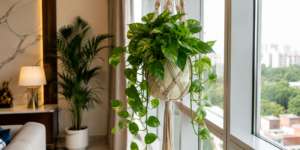
Hanging planters are an excellent choice if you want to save space while adding greenery at different heights. A trailing money plant creates a beautiful cascading effect that makes balconies, windows, and living rooms look more vibrant.
Choose sturdy macramé hangers, metal baskets, or modern ceiling planters that match your home décor. Place them where the plant receives bright, indirect sunlight. Rotate the planter every few weeks so the vines grow evenly from all sides.
5. Place It on Shelves and Study Tables
A money plant can instantly brighten bookshelves, floating shelves, work desks, and study tables. Its trailing vines naturally soften the appearance of furniture and create a calm workspace.
If you work from home, placing a healthy plant near your desk can make the environment feel fresher and more inviting. Keep enough space around the pot for airflow and avoid placing it directly under strong afternoon sunlight.
You can also combine a money plant with decorative books, candles, or small sculptures for a balanced interior arrangement.
6. Follow Simple Care Tips for Healthy Growth
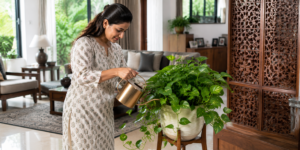
Beautiful home décor starts with a healthy plant. Fortunately, a money plant requires only basic care to stay green throughout the year.
| Care Factor | Best Practice |
|---|---|
| Light | Bright indirect sunlight |
| Watering | Water only when the top soil feels dry |
| Soil | Well-draining potting mix |
| Temperature | 18°C–30°C |
| Fertilizer | Once every 4–6 weeks during the growing season |
| Pruning | Remove yellow leaves and trim long vines regularly |
Avoid overwatering because it is one of the most common reasons indoor money plants develop yellow leaves. Likewise, cleaning the leaves with a soft damp cloth helps the plant absorb more light and keeps it looking fresh.
Repot the plant every couple of years if the roots outgrow the container. A slightly larger pot provides enough room for healthy root development without slowing growth.
Conclusion
A money plant is one of the easiest and most rewarding indoor plants for home décor. From ceramic pots and hanging baskets to glass bottles and vertical gardens, there are many creative ways to display it beautifully. With proper watering, indirect sunlight, and occasional pruning, your money plant can stay healthy for years while making your living space feel greener, fresher, and more welcoming.
