











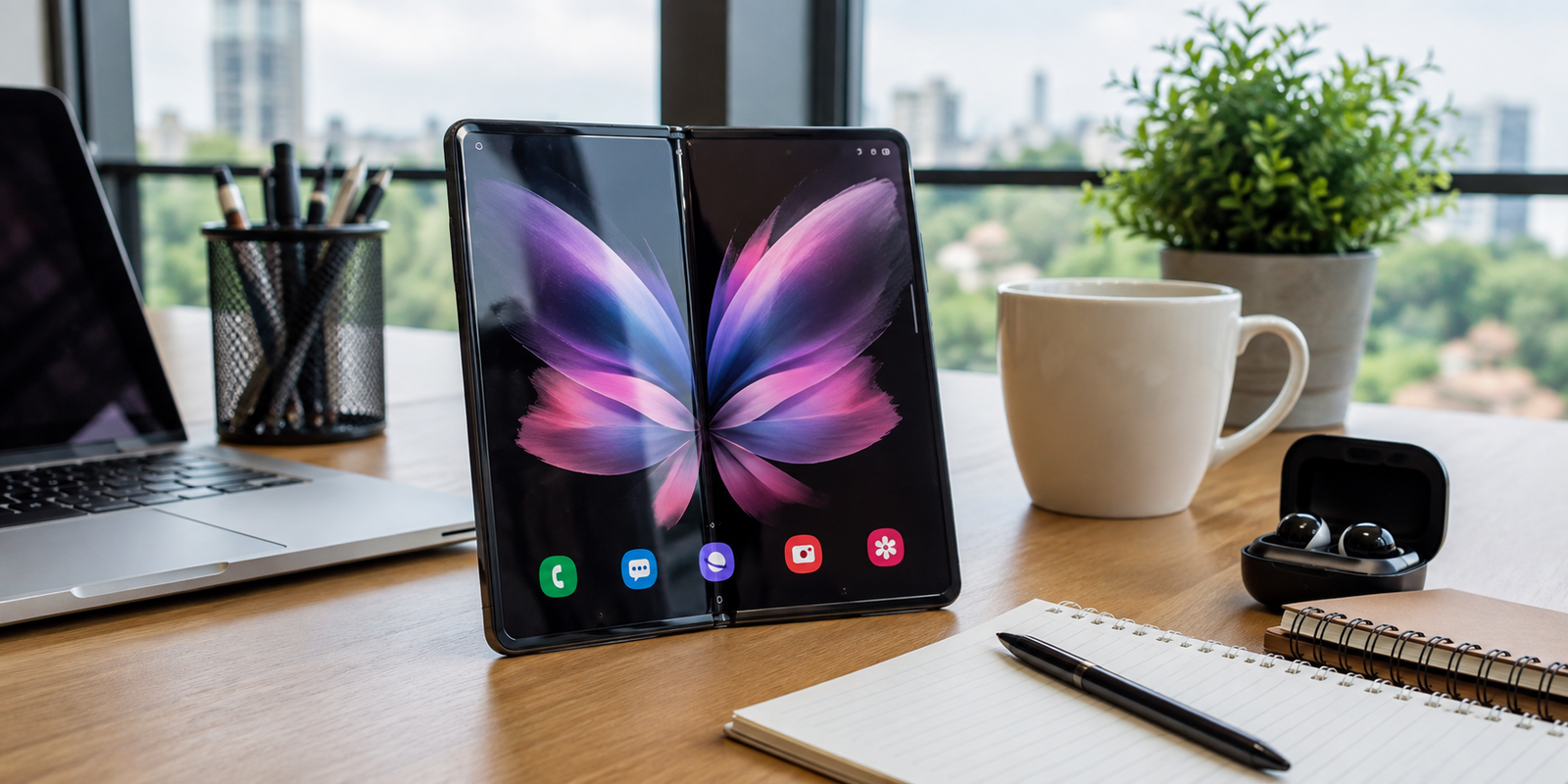
Fold mobile technology is entering a new era where innovation is no longer limited to flexible displays. Smartphone brands are now focusing on slimmer designs, stronger hinges, lightweight materials, and intelligent software to create devices that feel more practical for everyday users. These improvements are making foldable phones more reliable, portable, and enjoyable for work, entertainment, and multitasking.
If you are planning to upgrade your smartphone in the coming years, understanding these upcoming design trends can help you choose a device that offers long-term value instead of simply following the latest trend.
Future of Fold Mobile Design
The first generation of foldable phones proved that flexible displays were possible, but upcoming models are expected to deliver much more than that. Manufacturers are investing heavily in advanced engineering to improve durability, reduce thickness, and eliminate visible display creases.
Modern fold mobile devices are becoming easier to carry while offering a much larger viewing experience than traditional smartphones. This balance between portability and productivity is one of the biggest reasons why foldable phones are expected to become increasingly popular over the next few years.


Ultra-Thin Flexible Displays
One of the biggest upgrades in future foldable smartphones will be thinner and more durable flexible displays. Smartphone manufacturers are developing stronger ultra-thin glass and advanced OLED technology that can survive frequent folding while delivering vibrant colors and sharp visuals.
These improved displays will also reduce the visibility of screen creases, making the viewing experience feel more seamless. Whether

Stronger Hinge Technology
The hinge is the most important component of every foldable smartphone. Earlier foldable devices raised concerns about durability, but upcoming models are expected to feature redesigned hinge systems that are smoother, stronger, and more resistant to dust and daily wear.
Many manufacturers are also working on reducing the gap between the two halves of the phone when folded. This not only improves the premium look but also helps protect the flexible display from external particles. As hinge technology continues to evolve, users can expect a more reliable experience with fewer maintenance concerns.
| Feature | Traditional Smartphone | Upcoming Fold Mobile |
|---|---|---|
| Display | Fixed Screen | Flexible Foldable Display |
| Multitasking | Basic | Advanced Split-Screen |
| Portability | Compact | Compact + Large Display |
| Productivity | Standard | Tablet-Like Experience |
| Innovation | Limited | Future-Oriented Design |
you are watching videos, reading documents, or editing content, the larger screen will provide greater comfort without increasing the phone’s size when folded.


Lightweight Premium Materials
Another exciting trend is the use of lightweight yet durable materials. Future foldable smartphones are expected to feature stronger aluminum frames, improved protective glass, and advanced composite materials that reduce overall weight without compromising durability.
A lighter device makes everyday use more comfortable, especially for people who rely on their smartphones for long working hours, travel, or content creation. Combined with better battery optimization and improved software, these premium materials will help create a more refined user experience.

Conclusion
The future of the fold mobile industry looks more promising than ever. With thinner flexible displays, stronger hinge technology, and lightweight premium materials, the next generation of foldable smartphones is designed to offer a better balance between style, durability, and productivity. As technology continues to mature, these innovations will make foldable devices a practical choice for both professionals and everyday users looking for a modern smartphone experience.


