









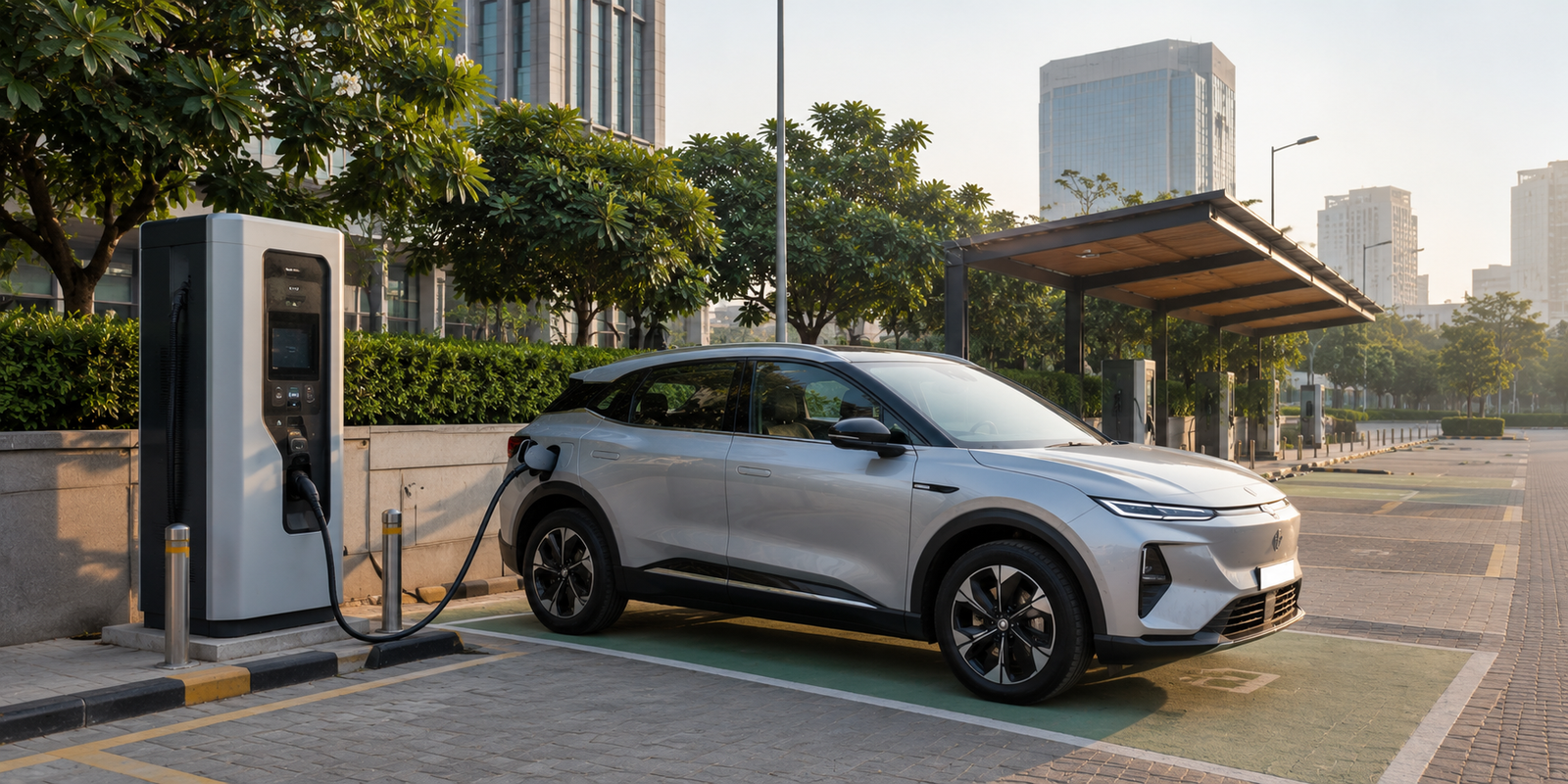
Electric cars are changing the way people travel by offering lower running costs, quieter driving, and cleaner transportation. As battery technology continues to improve, more drivers are considering an electric vehicle instead of a traditional petrol or diesel car. Whether you drive daily in the city or frequently travel on highways, today’s electric vehicles provide better range, advanced technology, and impressive comfort.
Buying the right EV, however, requires more than simply comparing prices. Charging options, battery warranty, driving range, maintenance costs, and safety features all play an important role. This guide explains everything you need to know before choosing your next electric vehicle.
Why Electric Cars Are Becoming More Popular
Several factors have made electric cars more practical than ever before. Manufacturers are introducing new models with longer driving ranges, faster charging speeds, and improved safety systems. At the same time, governments in many countries continue investing in charging infrastructure and encouraging EV adoption.
Fuel prices have also encouraged buyers to look for economical alternatives. Since electricity generally costs less than petrol or diesel, many owners notice significant savings over the lifetime of the vehicle. Moreover, electric motors contain fewer moving parts, resulting in lower maintenance expenses.
Another reason for growing popularity is the improved driving experience. Electric vehicles deliver instant torque, making acceleration smooth and responsive. Combined with silent operation, this creates a comfortable driving environment suitable for both city traffic and long-distance journeys.

Key Benefits of Electric Cars
Electric vehicles offer several practical advantages beyond environmental benefits. Understanding these advantages helps buyers determine whether an EV matches their lifestyle.
Lower Running Costs
Electricity costs considerably less than conventional fuels in most regions. Drivers who travel long distances every month often experience noticeable fuel savings after switching to an EV.
Reduced Maintenance
Unlike internal combustion engines, electric motors require fewer mechanical components. There are no engine oil changes, fewer filters to replace, and less wear on moving parts, reducing long-term maintenance expenses.
Better Driving Experience
Instant power delivery provides smooth acceleration without engine noise. Regenerative braking also improves efficiency by recovering energy while slowing the vehicle.
Environmentally Friendly
Electric cars produce zero tailpipe emissions, helping reduce urban air pollution. When charged using renewable electricity, their environmental impact becomes even lower.

Essential Features to Compare Before Buying
Choosing the best electric car involves evaluating several important specifications rather than focusing only on price.
| Feature | Why It Matters |
|---|---|
| Driving Range | Determines how far the vehicle travels on one full charge. |
| Battery Warranty | Protects buyers against expensive battery replacement costs. |
| Charging Speed | Faster charging reduces waiting time during long trips. |
| Safety Features | Includes airbags, ABS, ADAS, stability control, and driver assistance systems. |
| Boot Space | Important for families and frequent travelers. |
| Software Updates | Improves vehicle performance and adds new features over time. |
Besides these technical specifications, buyers should also compare after-sales service availability and charging infrastructure in their city. A strong service network provides peace of mind throughout ownership, while nearby charging stations make daily driving much more convenient.