



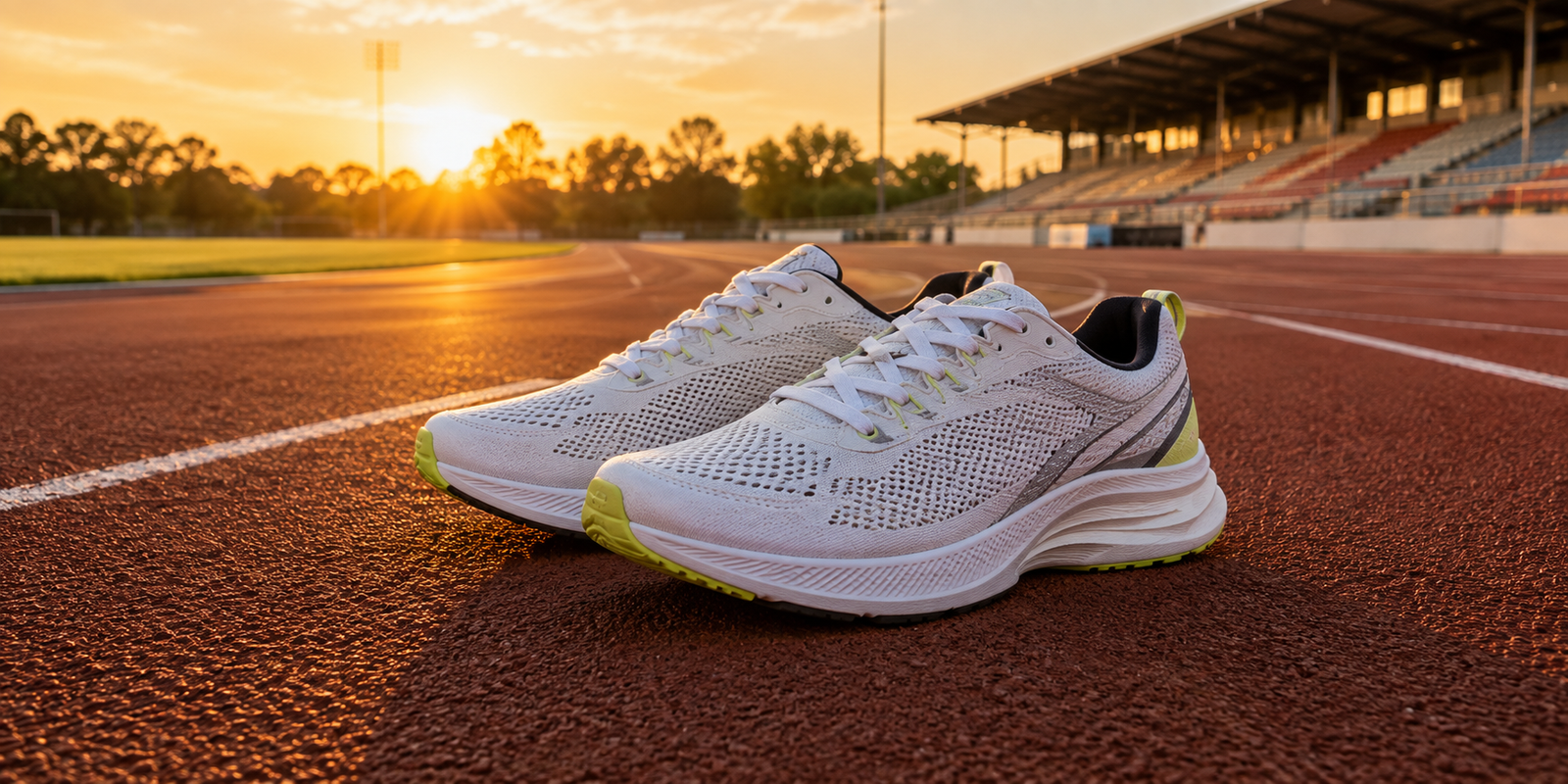
Sports shoes are one of the most important investments for anyone who enjoys running, walking, gym workouts, or outdoor sports. The right footwear does much more than complete your outfit—it protects your feet, improves stability, and helps you perform with confidence. Modern sports shoes combine advanced cushioning, breathable materials, lightweight construction, and durable soles to provide comfort during every step.
Whether you are training for a marathon, starting your fitness journey, or simply looking for comfortable everyday footwear, choosing the right pair can make a noticeable difference. Understanding the essential features of sports shoes will help you find a pair that matches your activity level, foot type, and long-term comfort needs.
Why Quality Sports Shoes Matter
Many people focus only on the appearance of their footwear, but performance should always come first. High-quality sports shoes are designed to absorb impact, support natural foot movement, and reduce stress on the ankles, knees, and lower back. This makes them suitable not only for athletes but also for anyone who spends long hours walking or standing.
The right pair also improves balance and traction, helping you move safely across different surfaces such as roads, running tracks, gym floors, and outdoor trails. Better grip reduces the risk of slipping, while proper support minimizes fatigue during long workouts.
In addition, premium sports shoes are built with durable materials that maintain their shape even after months of regular use. Investing in quality footwear often saves money over time because it lasts longer and provides better protection than low-cost alternatives.

Cushioning for Better Comfort
One of the biggest advantages of modern sports shoes is advanced cushioning technology. Every step creates impact on your feet and joints, especially while running or jumping. A well-cushioned midsole absorbs this shock and distributes pressure more evenly, making movement smoother and more comfortable.
Today’s athletic footwear uses lightweight foam and responsive materials that return energy with every stride. This not only improves comfort but also reduces tiredness during long workouts, helping you stay active for longer periods.
Breathable and Lightweight Design
Comfort is not only about cushioning. The upper material of sports shoes plays an equally important role. Modern athletic footwear uses breathable mesh fabrics that allow continuous airflow, keeping your feet cool and dry even during intense workouts. This reduces excessive sweating and helps prevent discomfort caused by moisture.
Lightweight construction is another feature that improves performance. Heavy shoes can make your legs feel tired more quickly, while lighter footwear supports faster movement and better agility. Whether you are running, training at the gym, or playing outdoor sports, lightweight sports shoes help you move naturally without feeling restricted.
Grip and Stability
Good grip is essential for safety and performance. High-quality sports shoes feature specially designed rubber outsoles with deep traction patterns that provide excellent stability on different surfaces. Whether you are running on a road, exercising in the gym, or walking on uneven paths, proper grip reduces the risk of slipping and improves confidence with every step.
Stability is equally important, especially during activities that involve quick direction changes or high-impact movements. A well-designed shoe keeps your foot properly aligned, minimizing unnecessary movement and lowering the chances of ankle injuries.
Sports Shoes Feature Comparison
| Feature | Standard Shoes | Premium Sports Shoes |
|---|---|---|
| Cushioning | Basic | Advanced Shock Absorption |
| Breathability | Moderate | High Airflow Mesh |
| Weight | Heavier | Lightweight Design |
| Grip | Normal | High-Traction Rubber Sole |
| Comfort | Everyday Use | Long Workout Support |

Choosing the Right Sports Shoes
Selecting the perfect pair depends on how you plan to use them. Runners should prioritize cushioning and energy return, while gym enthusiasts often benefit from shoes with excellent stability and lateral support. If you walk frequently or spend long hours standing, look for footwear with soft cushioning and breathable materials.
Before purchasing, always check the shoe size, arch support, outsole quality, and flexibility. Trying shoes on while wearing your usual sports socks can also help you find a better fit. Investing in the right sports shoes today can improve both comfort and performance for years to come.
Care and Maintenance Tips
Taking proper care of your sports shoes can significantly increase their lifespan and maintain their performance. After every workout, allow your shoes to air dry naturally instead of placing them under direct sunlight or using a heater, as excessive heat can damage the cushioning and upper material.
Clean dirt and dust with a soft brush or damp cloth, and avoid machine washing unless the manufacturer specifically recommends it. Rotating between two pairs of sports shoes is also a smart habit because it allows the cushioning to recover and reduces wear. Replacing worn-out shoes at the right time ensures your feet continue to receive proper support and protection.

Final Thoughts
Choosing the right sports shoes is about much more than style. A well-designed pair provides better cushioning, breathability, grip, and stability, helping you stay comfortable during every workout or daily activity. Whether you are a runner, gym enthusiast, or someone who enjoys long walks, investing in quality athletic footwear can improve your performance while reducing the risk of foot and joint injuries.
By understanding the key features discussed in this guide, you can confidently select sports shoes that match your lifestyle, fitness goals, and budget. The right footwear is an investment in your comfort, health, and long-term performance.
