




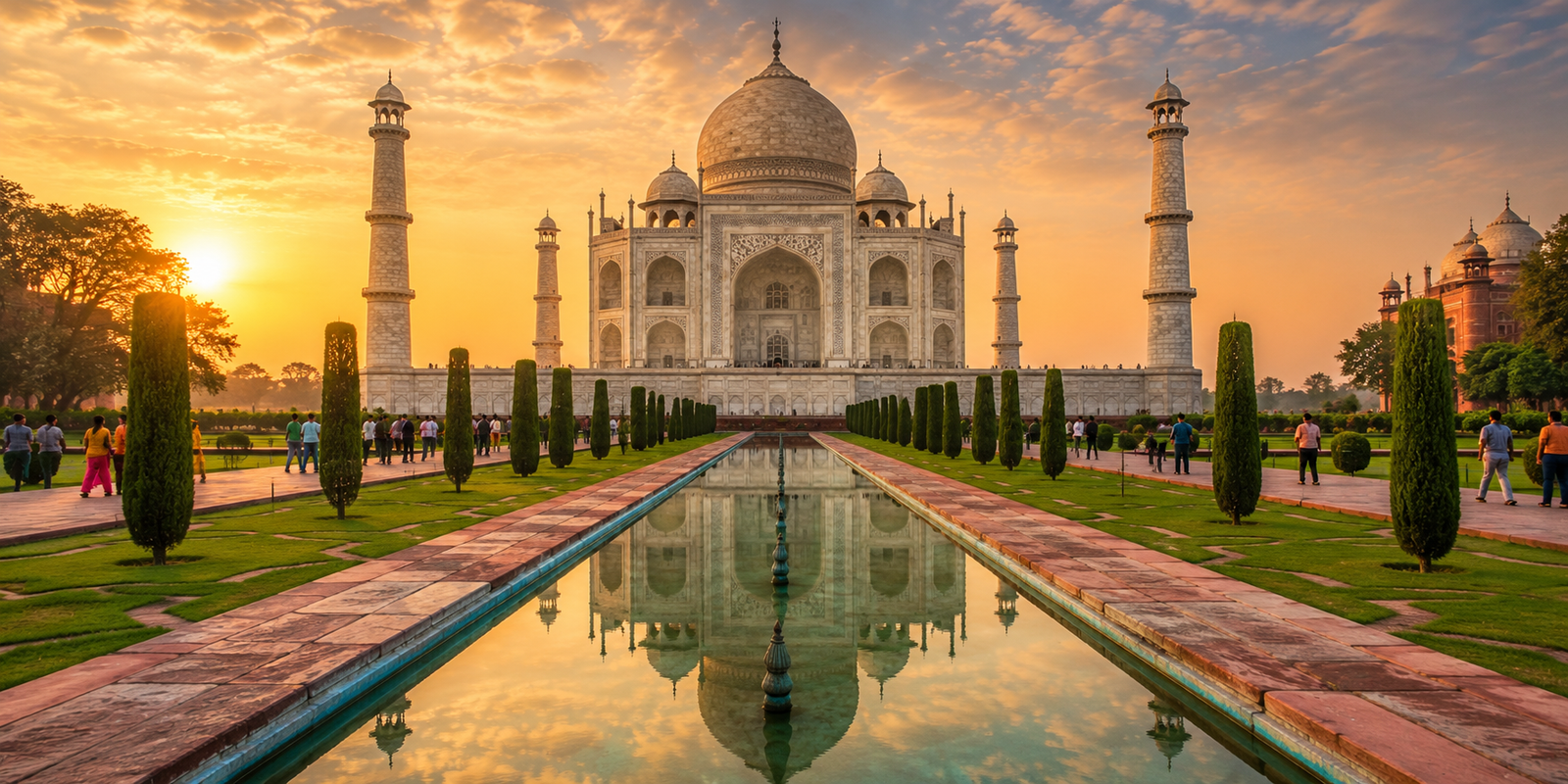
Taj Mahal is one of the world’s most admired historical monuments and the crown jewel of Indian tourism. Every year, millions of visitors travel to Agra to admire its breathtaking white marble architecture, fascinating Mughal history, and timeless beauty. However, many travelers face long queues, heavy crowds, and unnecessary expenses simply because they don’t plan ahead.

This complete travel guide will help you explore the Taj Mahal more efficiently. You’ll discover the best time to visit, practical ticket booking advice, transportation options, photography tips, nearby attractions, and simple ways to save both time and money while enjoying a memorable experience.

Whether you’re visiting for the first time or returning to experience its beauty again, this guide will help you make the most of your journey.

Why the Taj Mahal Is a Must-Visit Destination

The Taj Mahal is much more than a famous tourist attraction. Built by Emperor Shah Jahan in memory of his beloved wife Mumtaz Mahal, this UNESCO World Heritage Site represents one of the greatest examples of Mughal architecture. The monument combines Persian, Islamic, and Indian design elements, creating an architectural masterpiece that continues to impress visitors from around the globe.

Its perfectly symmetrical layout, intricate marble carvings, delicate floral inlays, and peaceful gardens make every corner worth exploring. As the sunlight changes throughout the day, the marble surface reflects different shades of white, pink, and golden hues, making each visit unique.

Besides its architectural beauty, the Taj Mahal carries deep historical and emotional significance. This combination of history, craftsmanship, and romance makes it one of the Seven Wonders of the World.
Best Time to Visit the Taj Mahal

Choosing the right time to visit can completely change your experience. The most comfortable months are from October to March, when the weather remains pleasant and visibility is excellent.

If possible, arrive shortly after sunrise. Early morning offers cooler temperatures, softer lighting for photography, and significantly fewer visitors compared to the afternoon. Weekdays are usually less crowded than weekends and public holidays.

Avoid visiting during peak afternoon hours, especially in summer, as temperatures can become extremely high and queues may take considerably longer.

For photographers, sunrise remains the most rewarding time because the marble monument glows beautifully under soft natural light.

Ticket Prices and Entry Information

Booking your tickets online before your visit is the easiest way to save valuable time. Online reservations reduce waiting at ticket counters and help you enter the monument more efficiently.

Visitor Type Booking Method Benefits
Indian Visitors Online Booking Faster entry, less waiting
International Visitors Online Booking Convenient payment and quicker access
Children (eligible categories) Check official rules May receive free or discounted entry

Visitors should carry a valid identity document and arrive early to complete the security check smoothly. Large bags, food items, drones, and certain electronic equipment may not be allowed inside, so traveling light can help speed up entry.


How to Reach the Taj Mahal

Agra is well connected by road, rail, and air, making it easy to reach from major Indian cities. The fastest option from Delhi is the Gatimaan Express or Vande Bharat Express, which takes around two hours. Travelers can also drive via the Yamuna Expressway for a comfortable road trip.

Once you arrive in Agra, electric buses, taxis, auto-rickshaws, and battery-operated vehicles are available near the monument. Since regular vehicles are restricted close to the Taj Mahal, using eco-friendly transport is both convenient and environmentally responsible.

Smart Tips to Save Time and Avoid Crowds

Planning ahead is the easiest way to enjoy the Taj Mahal without unnecessary delays. Booking tickets online before your visit helps you skip long ticket lines and enter more quickly. Arriving at sunrise on a weekday also gives you a calmer experience with fewer visitors.

Carry only essential items because security screening is mandatory. Comfortable walking shoes, a reusable water bottle, sunscreen, and a hat are useful, especially during warmer months. If you plan to hire a guide, choose an authorized guide to receive accurate historical information and avoid scams.

In addition, keep some extra time in your schedule to explore the gardens and appreciate the monument from different angles instead of rushing through your visit.

Best Photography Spots

The Taj Mahal offers several breathtaking viewpoints for memorable photographs. The central reflecting pool is the most popular location because it captures the monument’s perfect symmetry. Early morning light creates soft reflections that enhance every photograph.

The mosque and guest house on either side of the monument also provide unique perspectives. For panoramic views, many travelers visit Mehtab Bagh across the Yamuna River, especially during sunset. This peaceful garden offers a different angle of the Taj Mahal without the heavy crowds found inside the main complex.

Respect photography guidelines and avoid blocking pathways so everyone can enjoy the experience.

Nearby Attractions in Agra

Your trip does not have to end after visiting the Taj Mahal. Agra is home to several remarkable attractions that showcase India’s rich heritage. Agra Fort, another UNESCO World Heritage Site, features impressive palaces, courtyards, and stunning views of the Taj Mahal from a distance.

Mehtab Bagh is an excellent place for peaceful evening walks and photography, while the Tomb of Itimad-ud-Daulah, often called the “Baby Taj,” displays beautiful marble craftsmanship. Local markets such as Sadar Bazaar are perfect for shopping for marble handicrafts, leather goods, and traditional sweets.

Exploring these nearby attractions helps you make the most of your Agra itinerary.

Final Travel Tips

A well-planned visit makes your Taj Mahal experience more enjoyable and stress-free. Start your day early, book tickets in advance, travel light, and wear comfortable clothing suitable for the weather. Keeping your camera or smartphone fully charged ensures you won’t miss capturing unforgettable moments.

Most importantly, take time to appreciate the monument’s history, architecture, and peaceful surroundings. Rather than rushing through your visit, slow down and enjoy one of the world’s greatest architectural masterpieces.

Conclusion

The Taj Mahal continues to inspire travelers with its extraordinary beauty, fascinating history, and timeless elegance. By choosing the right visiting time, booking tickets online, and following practical travel tips, you can save time, reduce unnecessary expenses, and avoid large crowds. Whether you are passionate about history, architecture, or photography, the Taj Mahal promises an unforgettable journey that deserves a place on every traveler’s bucket list.

What is the best time to visit the Taj Mahal?
The ideal time is between October and March. Visiting shortly after sunrise on weekdays offers pleasant weather, better lighting, and fewer crowds.
Can I book Taj Mahal tickets online?
Yes. Online ticket booking is recommended because it saves time, reduces waiting at ticket counters, and makes entry more convenient.
How much time is needed to explore the Taj Mahal?
Most visitors spend 2 to 3 hours exploring the monument, gardens, and nearby viewpoints while enjoying photography and learning about its history.
Share.
Leave A Reply

Exit mobile version