











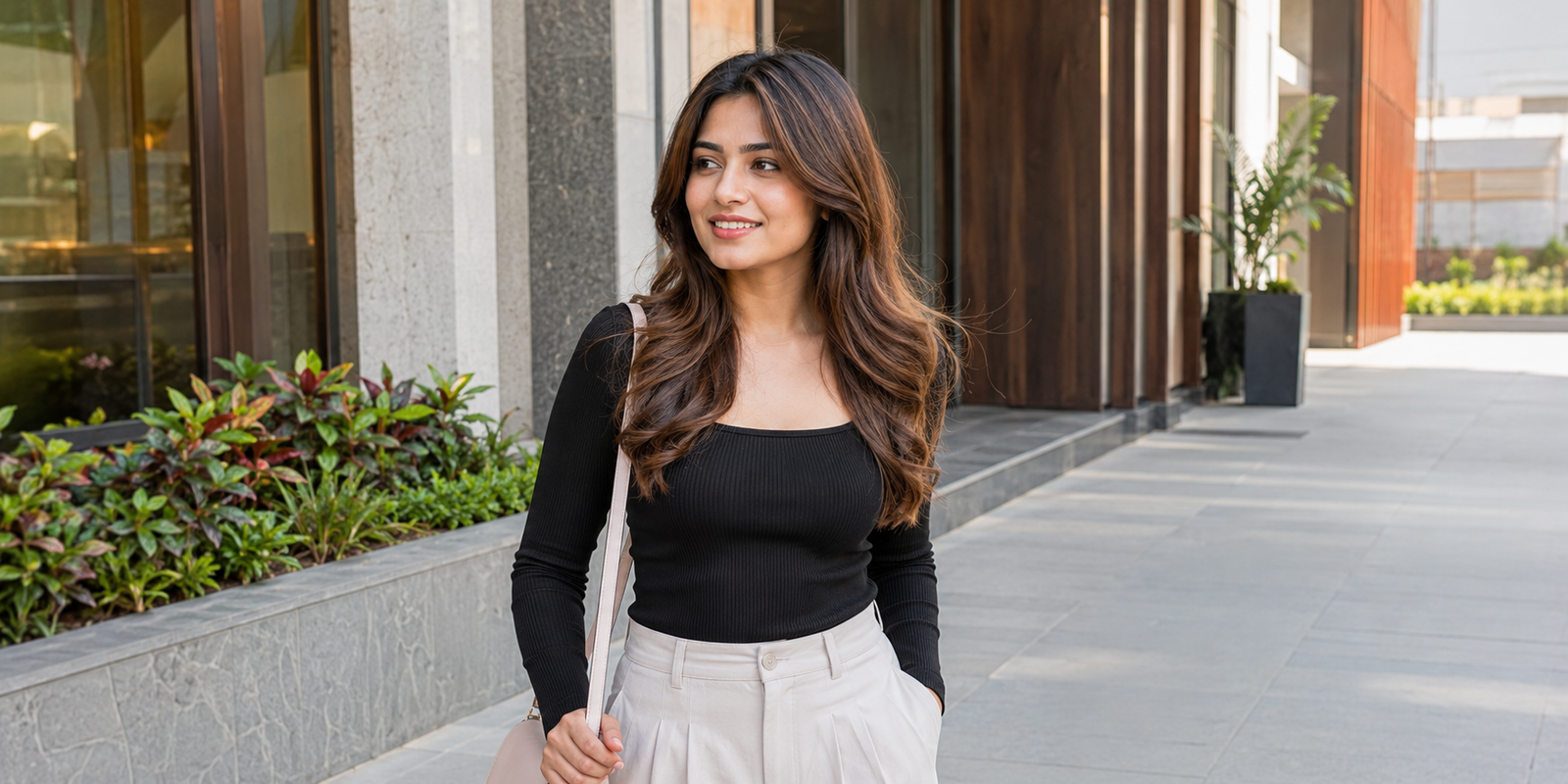
Hair colour can be an easy way to refresh your appearance without changing your haircut or personal style completely. The right shade can add warmth, depth, brightness, or a subtle change that makes your overall look feel more polished.
However, choosing a colour should involve more than simply picking a shade you like in a salon photograph. Your natural hair colour, skin undertone, desired maintenance, and everyday lifestyle can all affect the final result.
Whether you want a natural-looking change or something more noticeable, understanding your options makes the decision much easier.
Why Choosing the Right Hair Colour Matters
A good shade should work with your existing appearance rather than compete with it. For example, a warm brown can add richness to dark hair, while strategically placed highlights can create dimension without requiring an all-over change.
Your lifestyle also matters. Someone who wants a low-maintenance style may prefer subtle highlights or a shade close to their natural colour. On the other hand, someone comfortable with regular salon appointments may enjoy lighter or more dramatic colours.
Therefore, think about the result you want before booking a colouring appointment.
5 Best Hair Colour Ideas
1. Chocolate Brown
Chocolate brown is a versatile option for anyone who wants a noticeable but sophisticated change. It works particularly well on naturally dark hair because it adds richness while keeping the overall appearance relatively natural.
This shade can also complement professional clothing and casual outfits, making it a practical choice for everyday styling.
2. Caramel Highlights
Caramel highlights are ideal when you want dimension rather than a completely different base colour. Lighter strands can be placed around the face or throughout the lengths to create a softer, brighter appearance.
They can be especially useful for first-time colouring because the change does not necessarily involve colouring every strand.


3. Burgundy
Burgundy is a deeper, more expressive choice. On dark hair, it can appear subtle indoors while becoming more noticeable in natural light.
This makes it suitable for people who want a statement colour without choosing an extremely bright shade. Because red-based tones can fade faster, however, regular colour care is important.
4. Ash Brown
Ash brown has a cooler, muted appearance and works well for people who prefer understated modern colours. It can create a refined finish when applied correctly.
Very light ash results may require pre-lightening, particularly if your natural hair is very dark. Therefore, a professional consultation is useful before attempting a major colour change.


5. Honey Brown
Honey brown combines brown depth with warm golden tones. It can make hair appear brighter while still maintaining a relatively natural finish.
It is a good option if you want a warmer appearance but do not want an intense blonde transformation. Subtle honey tones can also work well with layered or textured hairstyles.
How to Choose the Right Hair Colour
Your skin undertone can provide a useful starting point. Warm undertones often work well with caramel, honey, golden brown, and warm chocolate shades. Cooler undertones may suit ash brown, cool chocolate, or certain burgundy variations.
However, undertone is not the only factor. Consider your natural hair colour, previous chemical treatments, workplace expectations, and how frequently you are willing to visit a salon.
| Hair colour | Overall effect | Maintenance | Best suited for |
|---|---|---|---|
| Chocolate brown | Rich and natural | Low | Everyday styling |
| Caramel highlights | Warm and dimensional | Medium | Subtle transformation |
| Burgundy | Deep and expressive | Medium | Statement looks |
| Ash brown | Cool and modern | High | Contemporary styles |
| Honey brown | Warm and bright | Medium | Natural-looking refresh |

Hair Colour Maintenance Tips
Coloured hair often needs a little more attention than untreated hair. Use products designed for colour-treated hair and avoid very hot water, which can contribute to dryness and faster colour fading.
Conditioning is equally important, particularly after lightening treatments. Limit frequent high-heat styling and use appropriate heat protection when using straighteners, curling tools, or blow dryers.


Safety Before Colouring
Before applying permanent or semi-permanent dye, follow the product’s recommended patch-test instructions. If your hair has already undergone bleaching, straightening, relaxing, or repeated colouring, tell your stylist before treatment.
For significant colour changes, professional application can be worthwhile. A qualified colourist can assess the current condition of your hair and explain whether your desired shade is realistic without unnecessary processing.
Conclusion
The best hair colour is not necessarily the most dramatic or fashionable shade. It is the one that fits your features, lifestyle, personal style, and willingness to maintain it.
Chocolate brown, caramel highlights, burgundy, ash brown, and honey brown are five useful starting points. Compare how each shade works with your natural hair and skin undertone before making a decision.
With thoughtful selection and proper aftercare, the right hair colour can give you a fresh, polished appearance while still feeling completely natural to your personal style.


