



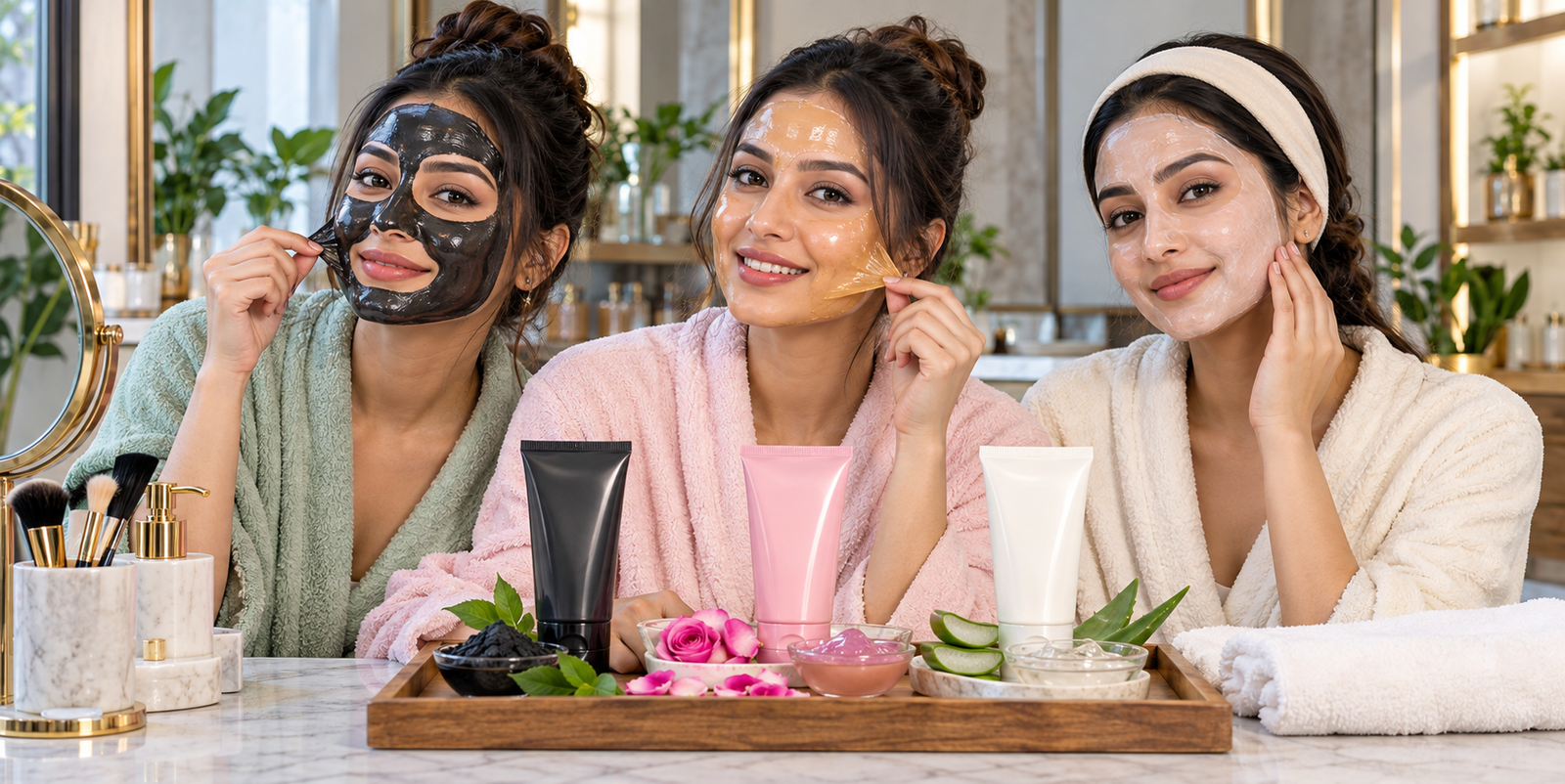
Peel Off Mask shopping gets confusing when the same product is marketed for pores, glow, hydration, and oil control. A better approach is to match the formula to your skin type, then check the ingredient list and application experience. A peel-off mask can remove surface buildup and dead skin cells, but the visible effect is usually temporary rather than a cure for blackheads or enlarged pores.
What a Peel Off Mask Does
A peel-off mask forms a film that dries on the skin and is removed by lifting it away. That physical removal can loosen surface debris and dead skin cells, leaving skin feeling smoother and looking temporarily brighter. It is different from treating the root cause of persistent acne, blackheads, or clogged pores.
That distinction matters when judging “best” claims. One mask may make pores look cleaner after use, while another may mainly support hydration or comfort. Choose for the result your skin actually needs.
Best Peel Off Mask Choices by Skin Type
Oily Skin
Look for a lightweight formula that helps manage excess oil without leaving the face uncomfortably tight. Salicylic acid or niacinamide may be relevant when the product is designed for oil balance or congestion.
For oily skin, compare:
- Oil-control or pore-focused positioning
- A formula that does not leave heavy residue
- Moderate exfoliation rather than several strong actives
Dry Skin
Dry skin generally benefits from a moisture-supportive formula. Look for humectants such as hyaluronic acid or glycerin and barrier-supportive ingredients such as ceramides.
Do not choose a mask only because it creates a dramatic tight feeling. Tightness can be a poor match for already-dry skin. A gentler product that leaves the skin comfortable is easier to fit into a regular routine.
Sensitive Skin
Sensitive skin needs the most conservative selection. Start with a fragrance-free formula, a simple ingredient list, and fewer potentially irritating actives. “Unscented” is not always the same as fragrance-free, so read the label carefully.
Patch-test a new mask on a small area before using it on the whole face. Stop if you develop significant burning, itching, swelling, or persistent redness.

Key Ingredients to Check
| Skin type | Useful ingredient direction | What to watch |
|---|---|---|
| Oily | Salicylic acid, niacinamide, oil-balancing formulas | Over-drying, multiple strong actives |
| Dry | Hyaluronic acid, glycerin, ceramides | Harsh or very drying formulas |
| Sensitive | Fragrance-free, simple soothing/hydrating formulas | Fragrance, dyes, strong acids or retinoids |
The important point is context: an ingredient is not automatically good or bad. A hydrating ingredient can help in one formula, while the overall mask may still be unsuitable because of fragrance or a strong exfoliating system.
How to Compare Peel Off Masks Before Buying
Do not compare products only by the front-label promise. Check:
- Formula: gel, film strength, and overall skin-type fit.
- Ingredients: main functional ingredients and potential irritants.
- Peel comfort: whether it removes without excessive pulling.
- Drying time: convenience matters, but follow the label.
- Fragrance and residue: consider scent sensitivity and cleanup.
- Pack size and value: compare cost per use, not just tube price.
- Suitability: judge the full formula, not one highlighted ingredient.
How to Use a Peel Off Mask Correctly
Start with clean, dry skin unless the label says otherwise. Apply an even layer, avoiding the eyes, eyebrows, lips, and broken or irritated skin. Let it dry for the stated time rather than keeping it on longer.
Peel slowly from an edge. Do not tug hard where the film resists. Rinse any residue and apply a simple moisturizer. Dermatologists recommend following the label, avoiding overuse, and moisturizing after exfoliation.
Use frequency according to the product and your skin’s response. More aggressive exfoliation should be done less often, and over-exfoliation can lead to redness and irritation.
Who Should Be Cautious
Skip a peel-off mask on sunburned, cut, cracked, or actively irritated skin. Be careful if you already use retinol, prescription retinoids, acids, benzoyl peroxide, or other exfoliating products, because combining too many actives can increase irritation.
Expectations should stay realistic. A peel-off mask may temporarily improve surface texture, oiliness, or dullness. It is not a permanent pore-shrinking treatment, and blackheads may need a more targeted routine.
Conclusion
The best Peel Off Mask is the one that fits your skin rather than the one with the strongest marketing claim. Oily skin can prioritize sensible oil-control formulas; dry skin should lean toward hydration and barrier support; sensitive skin should favor fragrance-free, simpler formulas and patch testing. Compare the whole formula, peel comfort, drying time, residue, and cost per use before buying.
